Category: Power Wheelchair
Posted by 2025-12-11 10:12
hoyer lift and sling
Hoyer Lift and Sling: Guardians of Safe Transfer, Bridges to Dignified Movement
In long-term care, assisting patients who cannot walk or sit up independently with transfers—such as from a bed to a wheelchair, or from a wheelchair to a toilet—is one of the most frequent yet high-risk tasks. Statistics show that over 50% of caregivers’ occupational low back injuries result from manually lifting and moving patients. Moreover, an accidental drag can cause patients to suffer from skin tears, joint dislocations, or even fractures.
At this point, the Hoyer Lift and its matching sling—a type of assistive equipment widely adopted by professional care institutions worldwide—become key tools connecting safety and dignity. By replacing manual labor with mechanical force, they make the transfer process smooth, labor-saving, and painless, truly embodying the modern care concept of "assisting without lifting."
This article will provide a comprehensive analysis of the working principle of the Hoyer Lift, key points for sling selection, safe operation procedures, and usage recommendations.
I. What Is a Hoyer Lift?
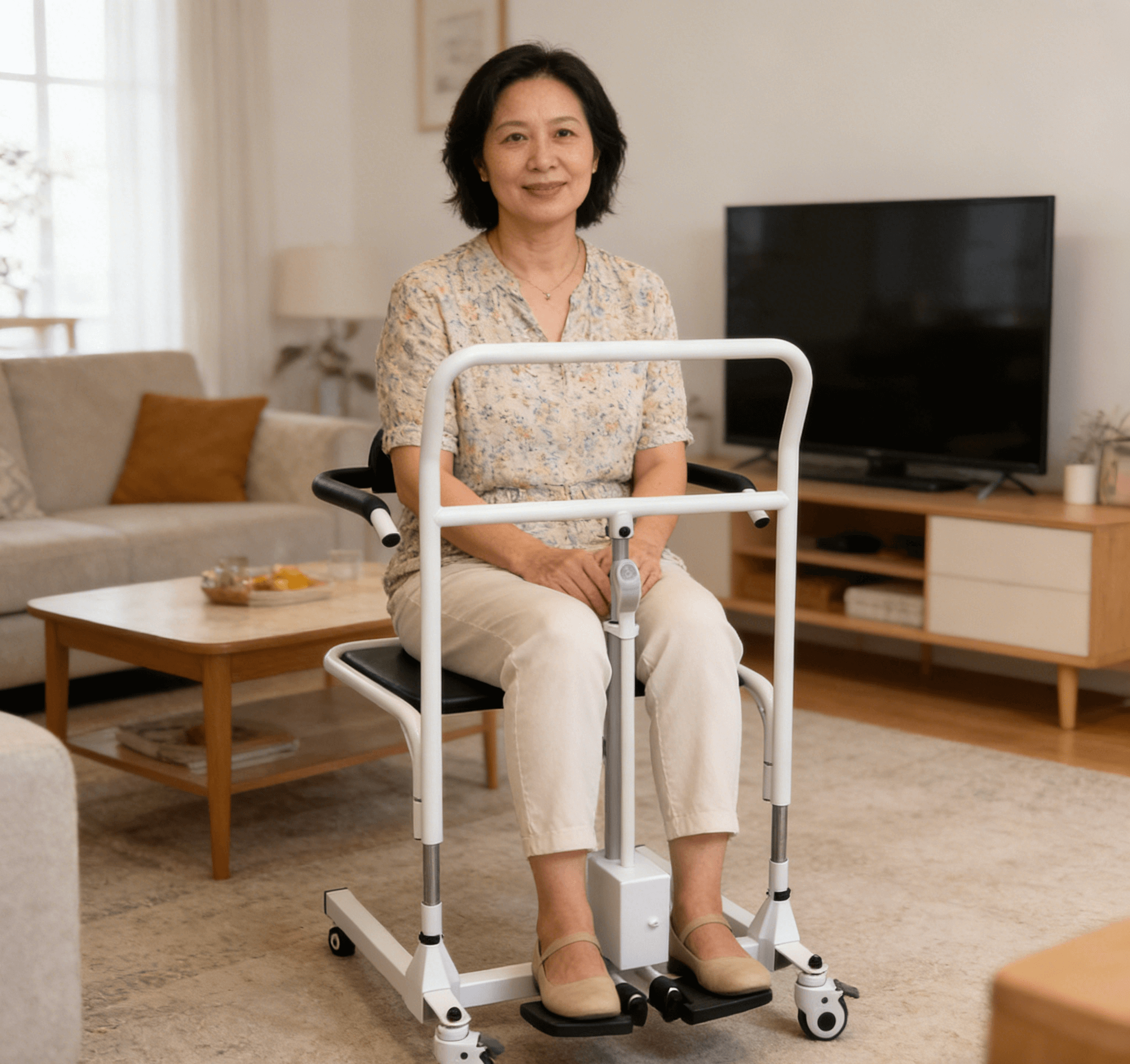
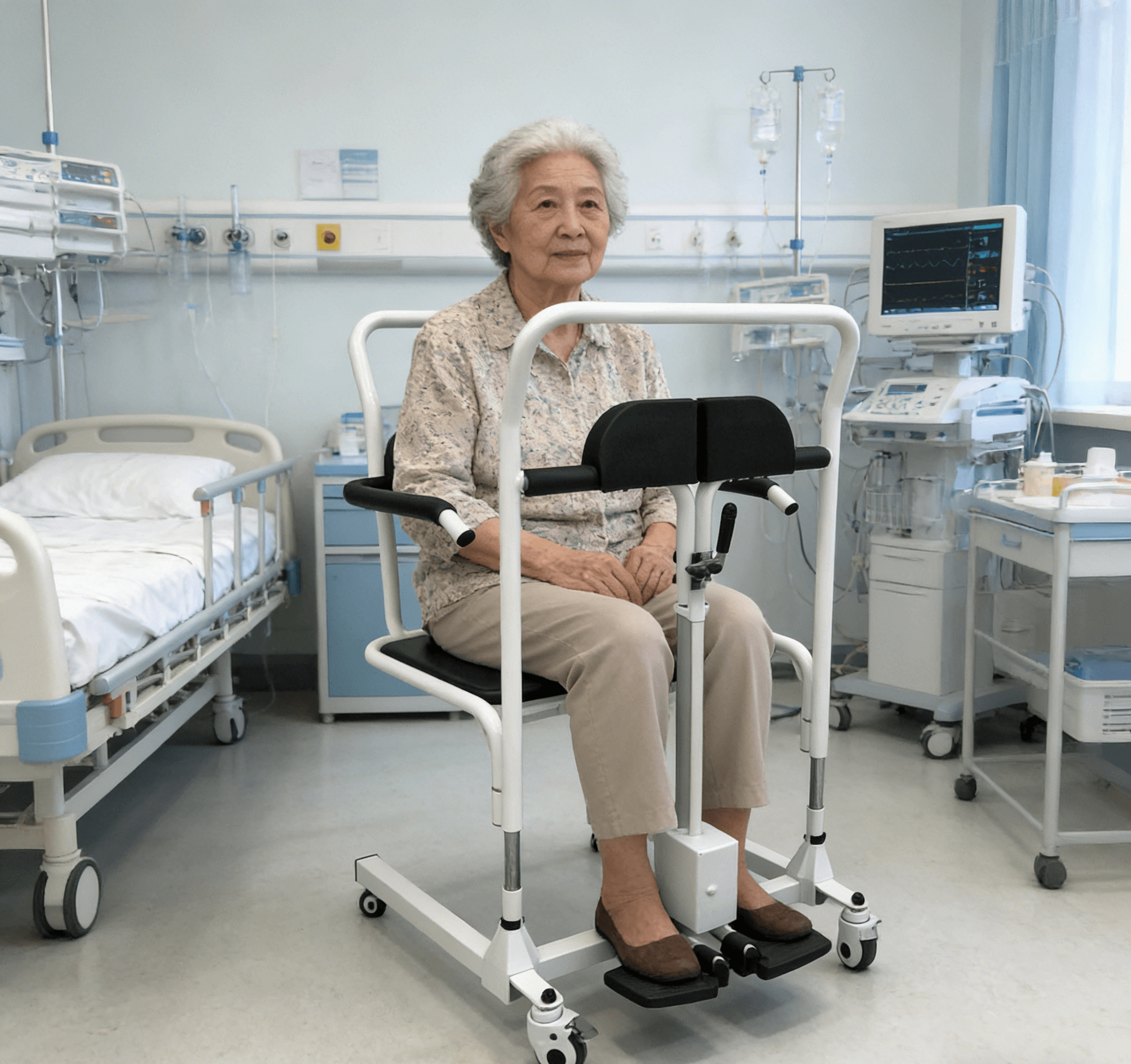
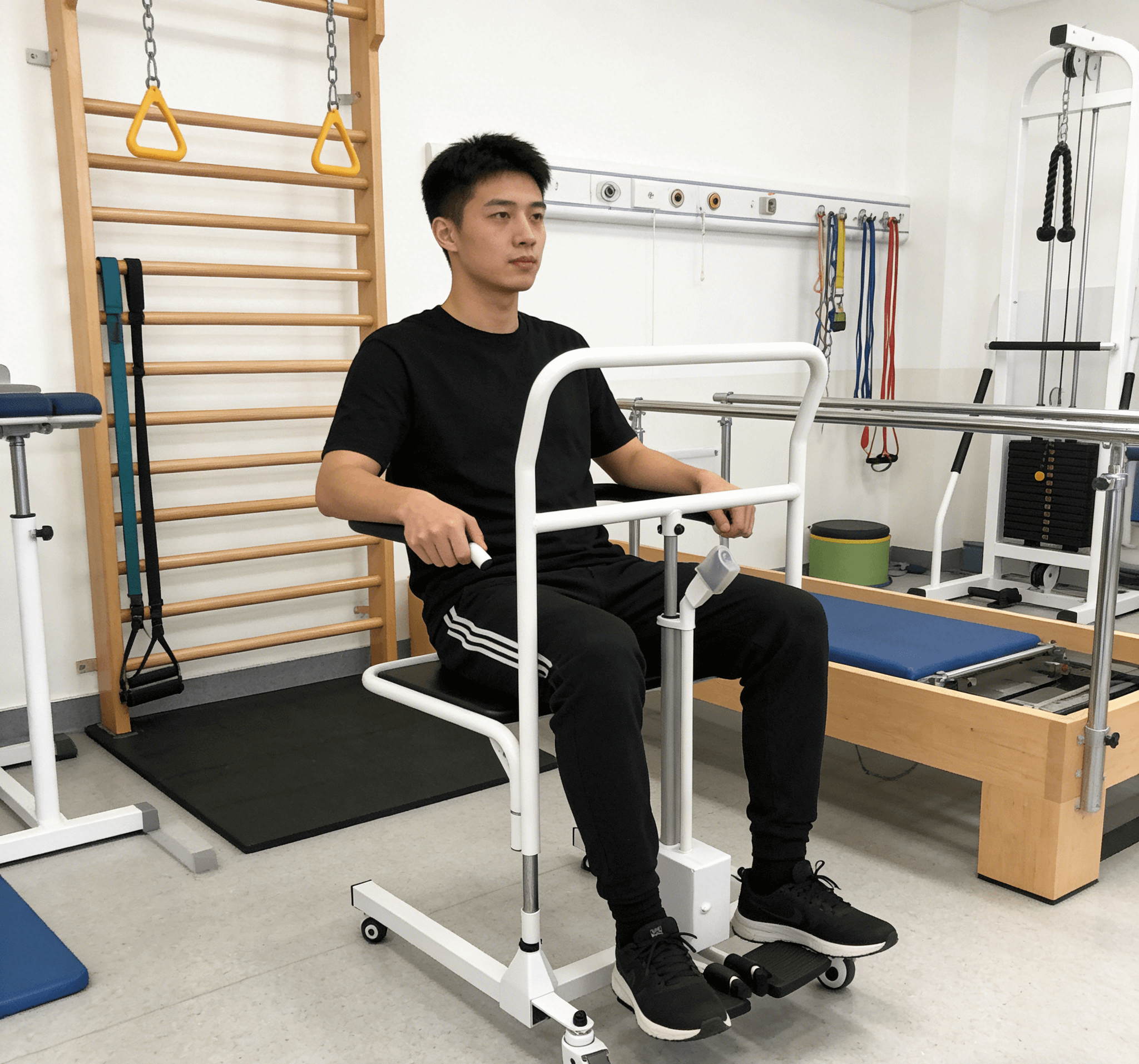
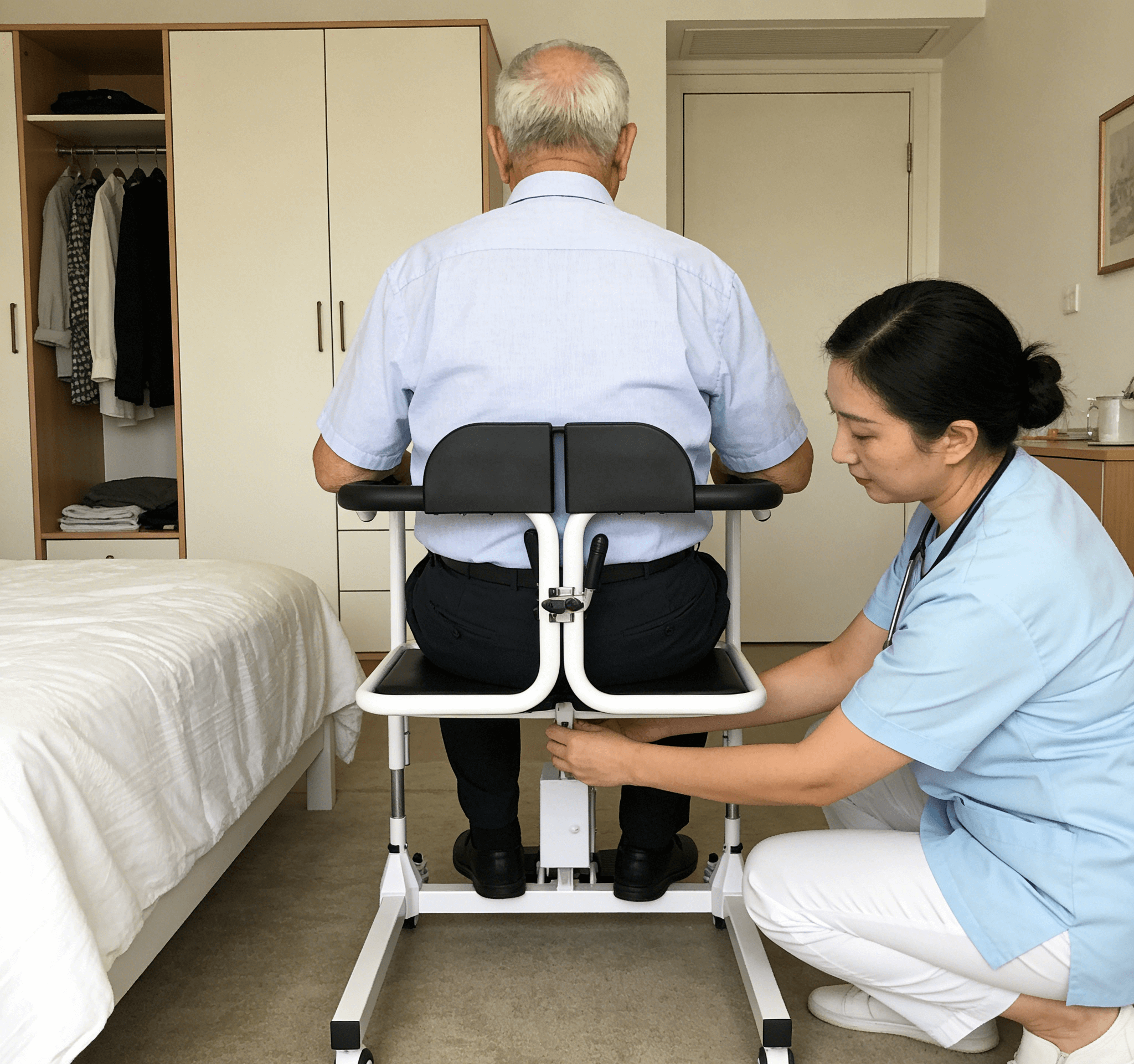
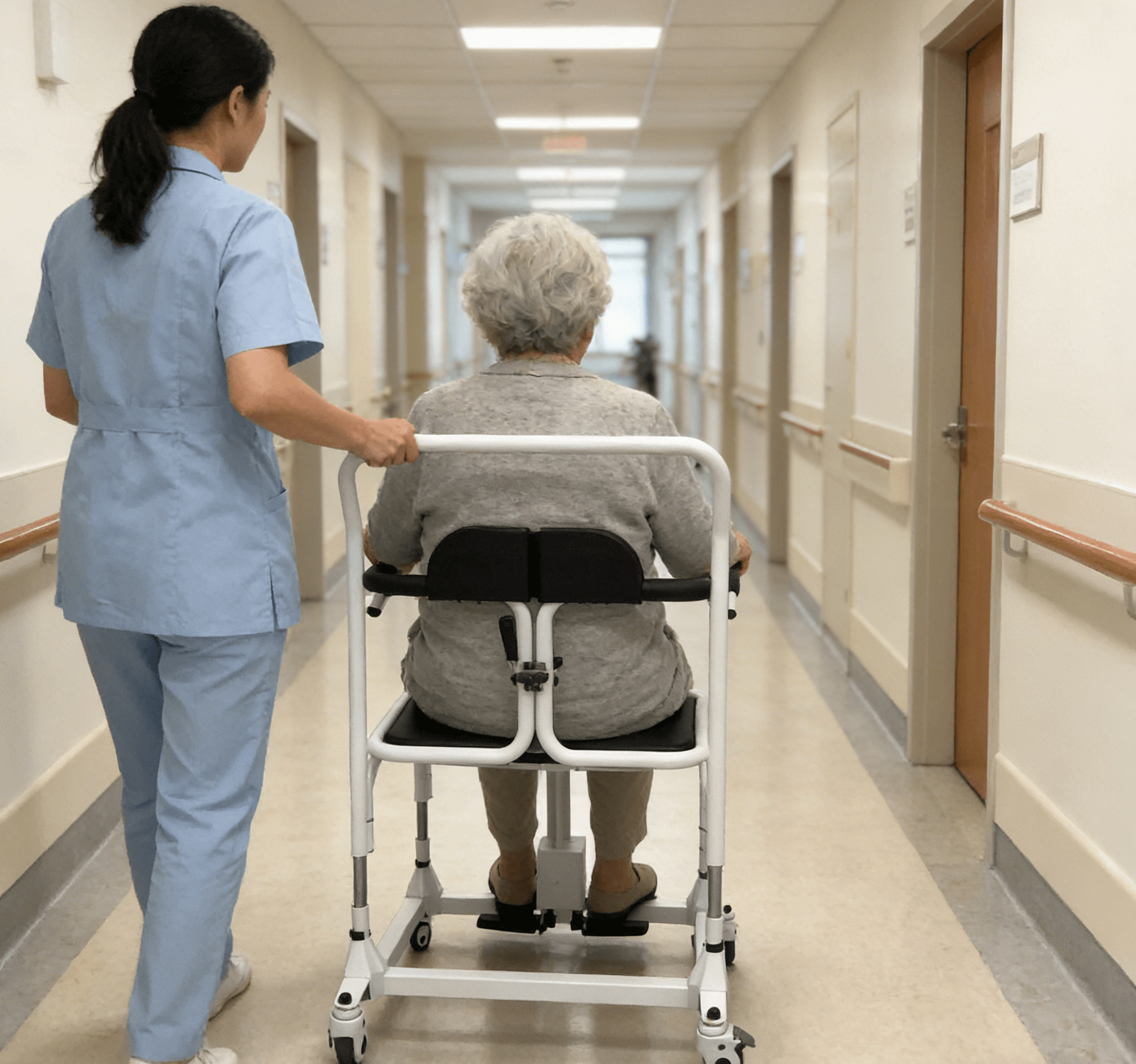
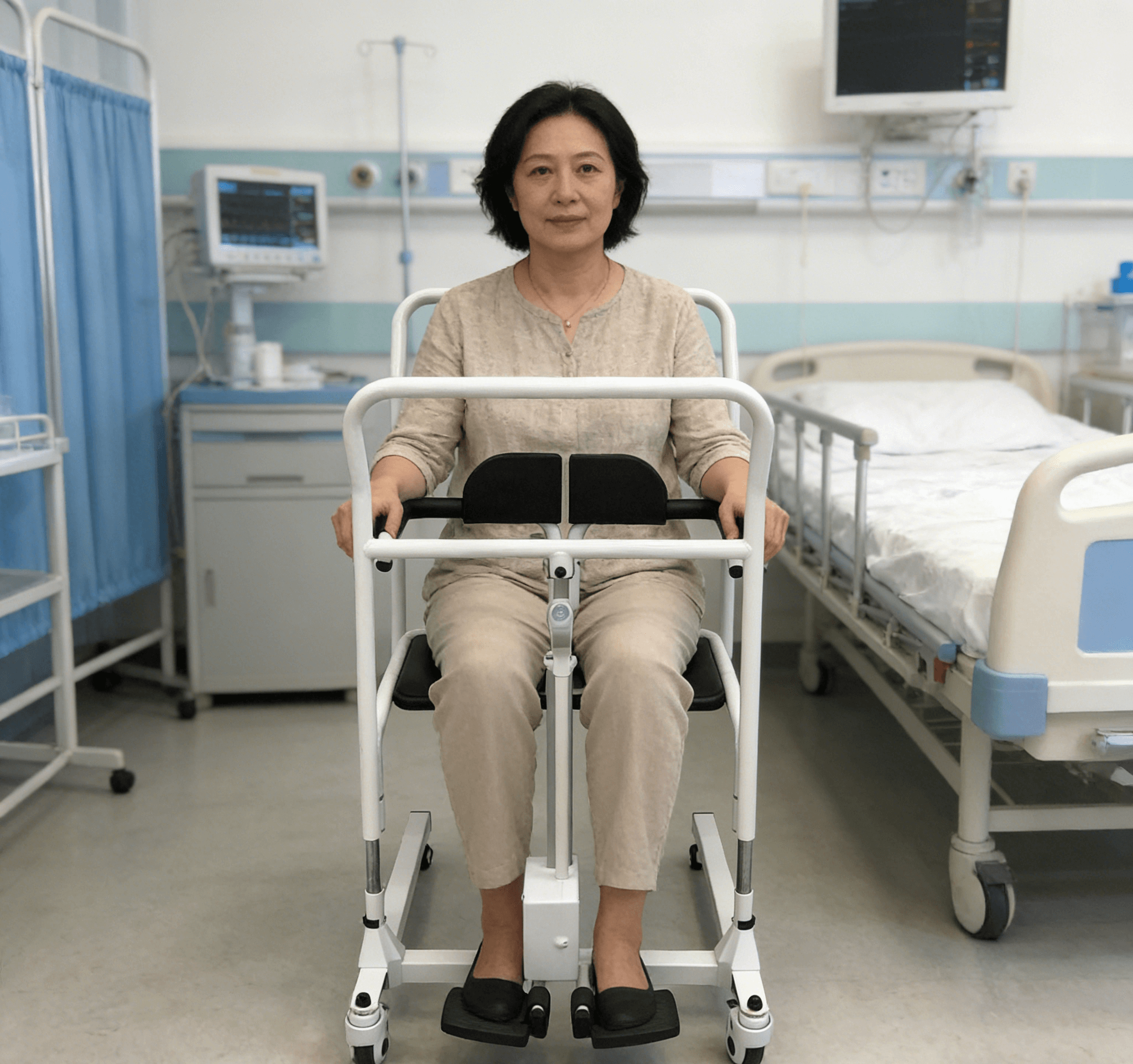
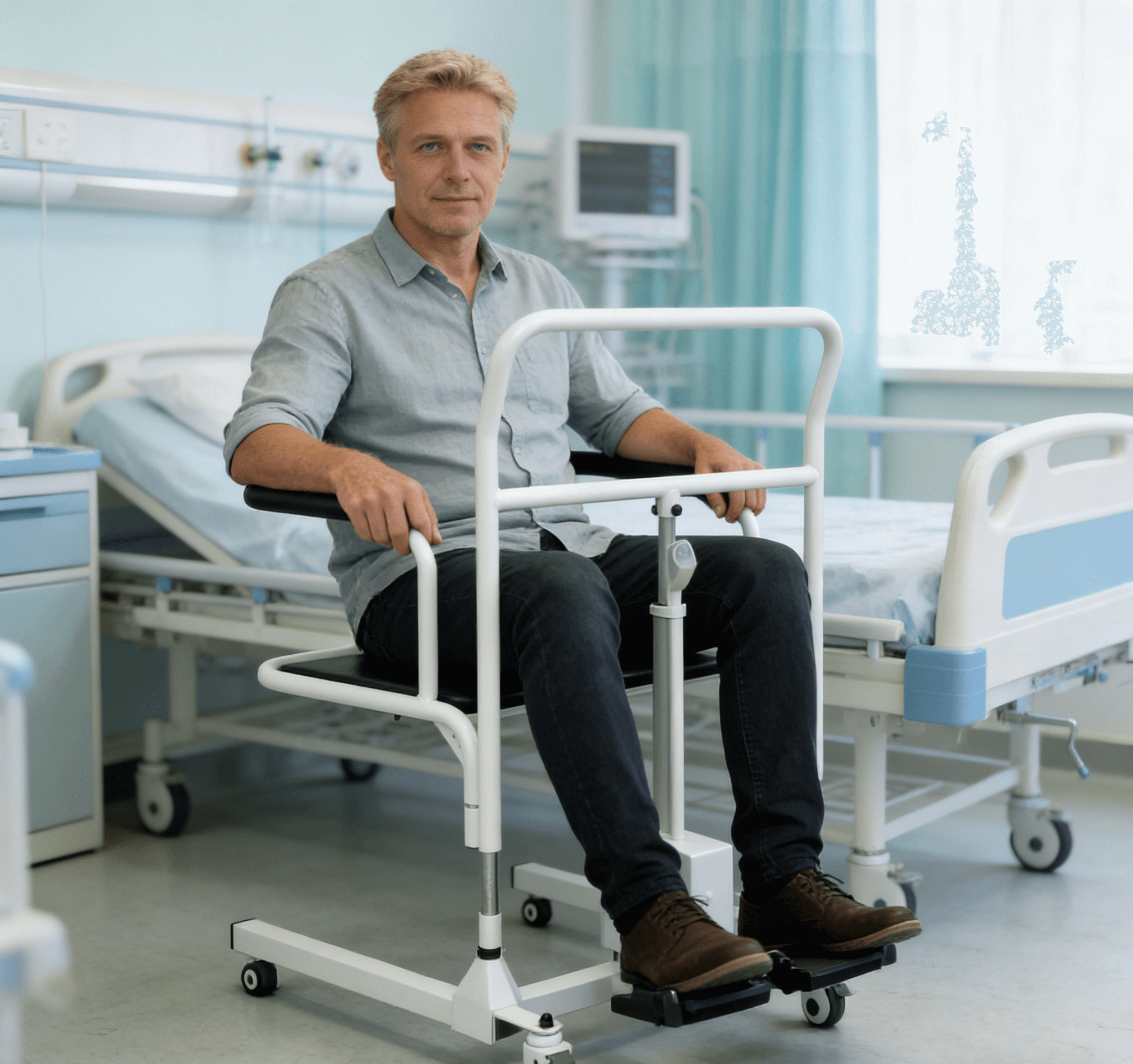
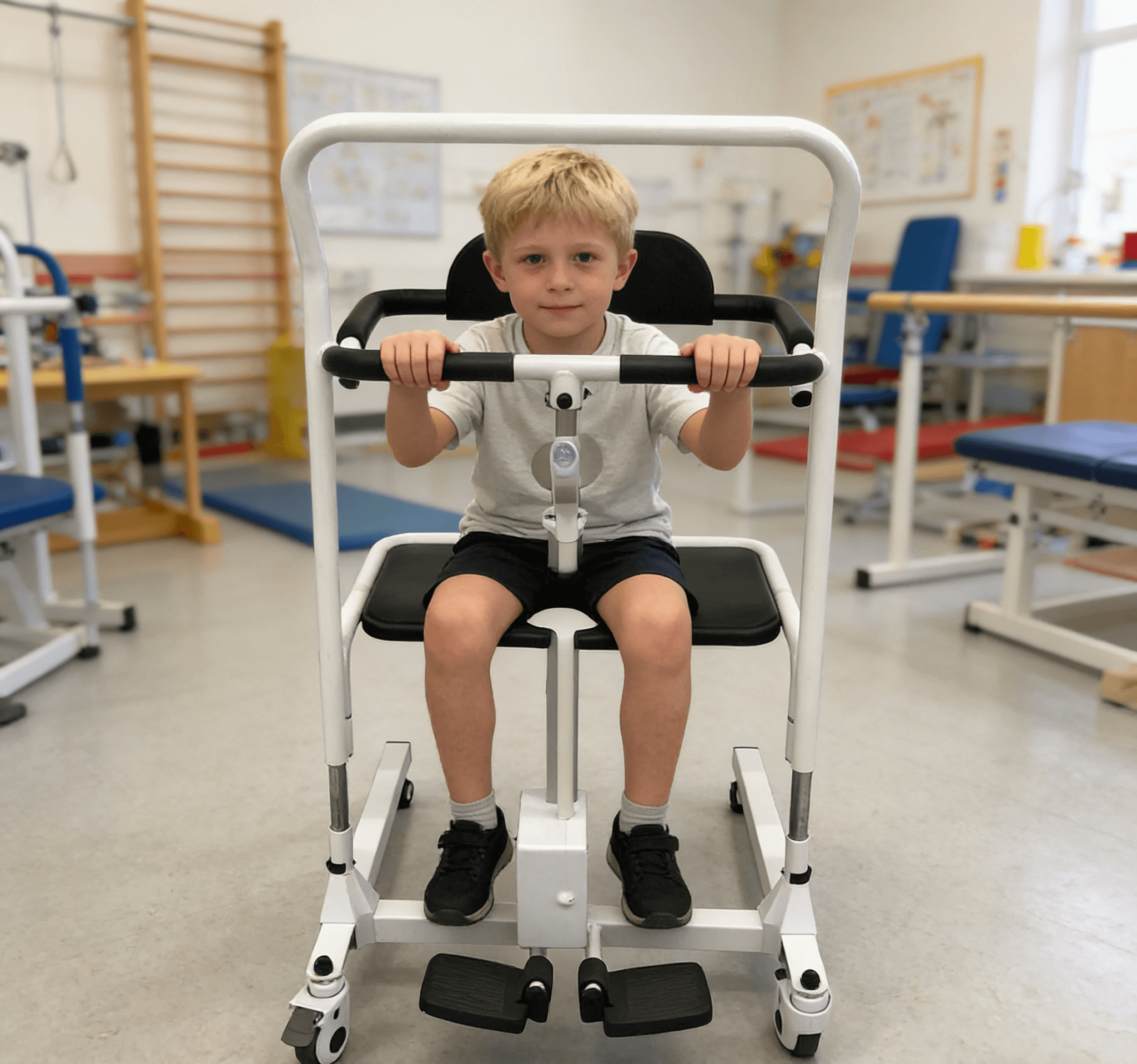
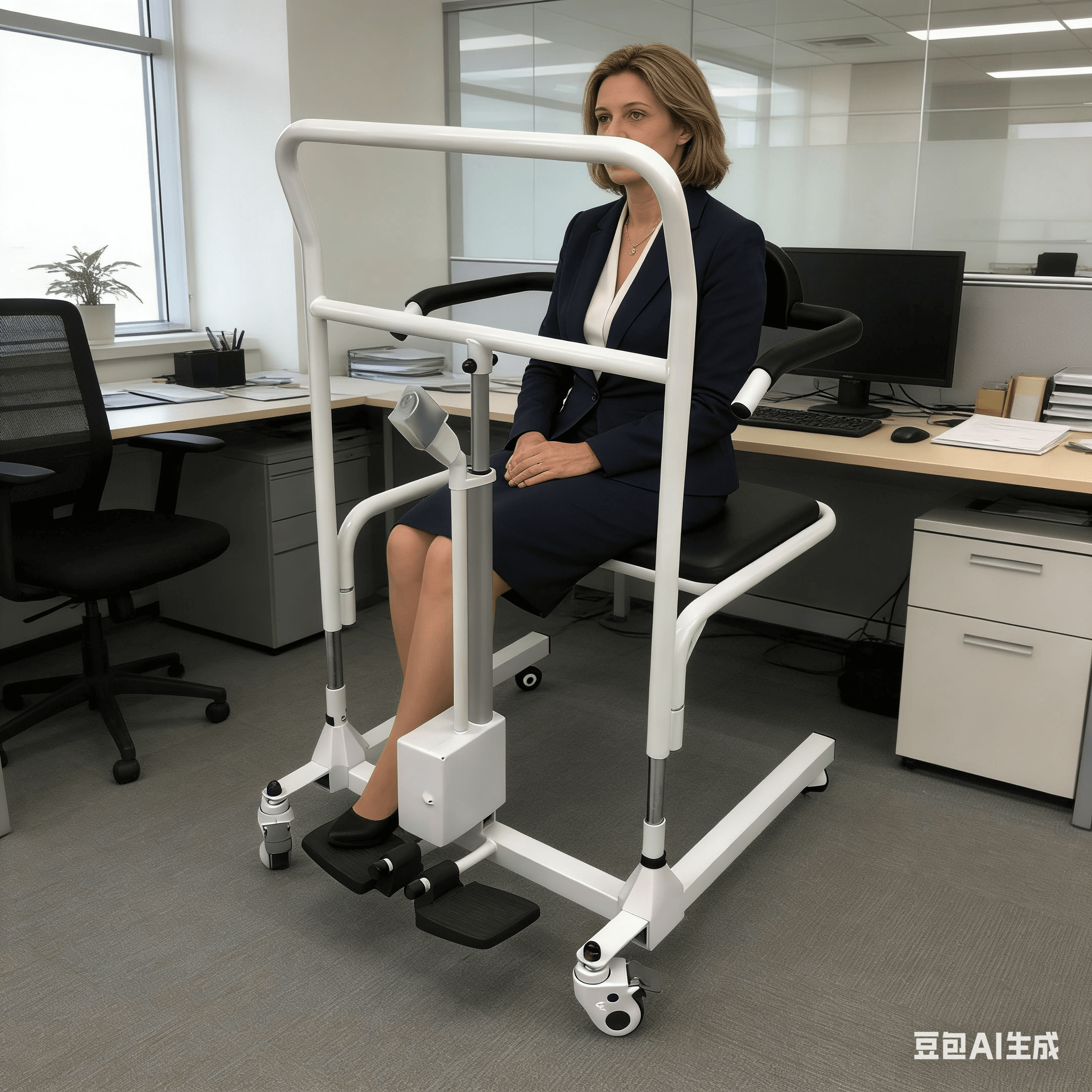
A Hoyer Lift is an electric or hydraulically powered patient lifting device, consisting of a base, a vertical column, a lifting arm, a motor (or manual pump), a control handle, and a detachable sling. Its core functions are as follows:
Vertically lift the patient from a flat surface (e.g., a bed);
Move horizontally via pulleys or an electric mobile base;
Lower the patient smoothly onto a target surface (e.g., a wheelchair, commode chair, or shower chair).
✅ Name Explanation: "Hoyer" was originally a well-known American brand, but it has now become a generic term for all types of patient lifts—similar to how "Band-Aid" is used to refer to adhesive bandages.
II. Why Is a Hoyer Lift Necessary? It’s Not Just About Saving Effort
1. Protecting Caregivers
Avoid high-risk movements such as bending over, twisting, and carrying heavy loads, preventing chronic lumbar muscle strain;
A single caregiver can complete the transfer independently, eliminating the need for two people to collaborate and improving care efficiency.
2. Ensuring Patient Safety
Eliminate drag friction, preventing skin shear injuries (especially crucial for the fragile skin of the elderly);
Reduce the risk of falls or impacts caused by sudden loss of balance;
Particularly essential for patients recovering from surgery, those with osteoporosis, or individuals with spinal cord injuries.
3. Safeguarding Patient Dignity
No need for body exposure or relying on others to "carry" or "hold" the patient, preserving privacy and dignity;
Conscious patients can participate in the process, enhancing their sense of control.
III. Slings: The Key to Successful Transfers
No matter how well-performing a Hoyer Lift is, improper sling selection can still lead to slipping, discomfort, or even falls. Slings are not "one-size-fits-all accessories"; they need to be precisely matched to the patient’s body shape, mobility, and transfer purpose.
Common Types of Slings
1. Full-Body Sling
Wraps around the torso, thighs, and back, providing all-around support;
Suitable for patients with complete loss of mobility and no ability to maintain a sitting balance;
Patients remain in a semi-reclined position during transfer, ensuring high comfort.
2. Seated / Toileting Sling
Only supports the hips and thighs, with an open back design;
Specifically designed for transfers to commodes, facilitating the putting on and taking off of pants;
Requires the patient to have a certain degree of trunk control to maintain a sitting posture.
3. Standing Assist Sling
Used in conjunction with a standing frame to help patients undergo progressive standing training;
Mostly used in the early stages of rehabilitation to promote blood circulation and maintain bone density.
4. Disposable / Waterproof Sling
Used in scenarios involving incontinence, bathing, or infection control;
Made of non-woven fabric or PVC coating, discarded after use to avoid cross-contamination.
⚠️ Important Principle: Never use slings that are damaged, deformed, or have broken stitches! Inspect the sling thoroughly before each use.
IV. Six Steps for Safe Operation
1. Assess the Patient’s Condition
Confirm the patient is conscious and has no contraindications (e.g., unfixed fractures, severe hypotension).
2. Select the Appropriate Sling
Choose the sling type based on the transfer purpose (commode use, bathing, general transfer) and the patient’s ability; ensure the size matches (waist circumference, leg length).
3. Properly Put on the Sling
When the patient is lying flat, slide the sling under their back, ensuring all padding is in the correct position;
Fasten all buckles, but not too tightly—you should be able to insert two fingers between the sling and the patient’s body;
Keep the sling’s label facing outward for easy identification of the model.
4. Connect the Hooks and Test
Attach the four corners of the sling to the hooks on the lifting arm, then lift the sling slowly by a few centimeters to check for balance and signs of slipping.
5. Lift, Lower, and Move Smoothly
Adjust the lifting/lowering speed to a moderate level; avoid sudden stops or starts;
Ensure the path is unobstructed when moving the base; lock the casters in place before lowering the patient.
6. Safely Remove the Sling
Once the patient is seated securely or lying flat, first unfasten the buckles, then carefully pull out the sling to avoid pulling on the patient’s skin.
V. Special Tips for Home Use
Space Requirements: The base of the lift requires a passageway at least 90cm wide; a special narrow-base model is needed for transfers in the bathroom;
Power Supply and Maintenance: Electric lifts need regular charging; check the oil circuit of hydraulic lifts every 6 months;
Training Is Essential: When using the lift for the first time, be sure to watch instructional videos or ask a nurse for on-site guidance;
Backup Plan: Prepare a manual hydraulic lift to cope with power outages.
VI. Clarifying Common Misconceptions
❌ "The Tighter the Sling, the Safer It Is"→ Over-tightening can compress blood vessels and nerves, causing numbness or pressure ulcers. The sling should be moderately tight.
❌ "One Sling Can Be Used by the Whole Family"→ Slings are rated by weight (e.g., 100kg, 180kg). Using a sling beyond its weight capacity may cause it to break.
❌ "Hoyer Lifts Are Only for Patients with Severe Disability"→ They are also suitable for patients on short-term bed rest after surgery or those who have undergone hip replacement, as they can accelerate rehabilitation.
❌ "It’s Expensive—It’s Better to Carry the Patient Myself"→ The cost of a single lumbar disc herniation surgery is far higher than that of a Hoyer Lift. Investing in safety is investing in health.
VII. Access Channels (Taking China and the US as Examples)
United States: Lifts can be rented through Medicare Part B (a doctor’s prescription is required) or purchased from DME (Durable Medical Equipment) suppliers such as Apria and Lincare;
China: Brands like Yuwell, Hubang, and Maidesite offer home-use lifts, which are also available on e-commerce platforms;
Rental Options: Elderly care service centers in many cities provide monthly rental services, suitable for short-term needs.
Conclusion
A Hoyer Lift,though without emotion,bears the weight of life with every lift and lower;A sling,though seemingly simple,offers the gentlest support in professional care.
It is not exorbitant,yet it may prevent a permanent injury;It is not ostentatious,yet it is the most solid practice of the "people-centered" care concept.
True care,is not about exerting all one’s strength to carry someone,but about using wisdom and toolsto help them move steadily from here to there.
May every loved one in need of transfersbe guarded by such a set of equipment,moving safely,retaining dignity,and continuing to participate in every moment of life.